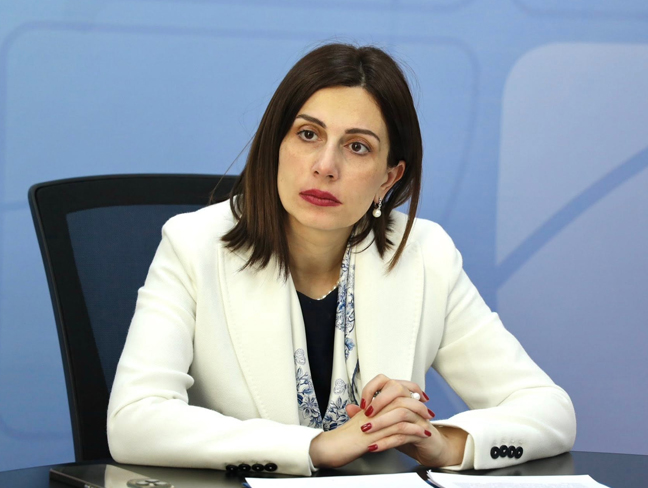
An operational working group at Armenia’s Health Ministry is monitoring reports concerning pneumonic plague in Russia, Health Minister Anahit Avanesyan said during a question-and-answer session with government members in the National Assembly.
She explained that as new information becomes available, appropriate preventive measures will be implemented if necessary under established procedures. These could include tighter monitoring of people entering Armenia and temperature screening, Armenpress reports.
The minister emphasized that immediately after the relevant information emerged, the ministry activated response mechanisms designed to address alerts and suspected cases involving infectious diseases that pose a threat to public health.
“I should say that the operational working group is already actively monitoring what is being published and what information is currently available,” the minister said.
According to Avanesyan, the healthcare system is already prepared to deploy the full range of preventive and monitoring measures if necessary. At the same time, the ministry is cooperating with the World Health Organization (WHO) and international partners to obtain the most comprehensive and reliable understanding possible of the situation.
Addressing the characteristics of the disease, Avanesyan explained that pneumonic plague is a severe infectious illness. It can spread from person to person through respiratory droplets, particularly during close contact. The minister also warned that failure to begin treatment with appropriate antibiotics in a timely manner could result in a high risk of death.
“We are paying very close attention to this issue and remaining vigilant. All the necessary work is being carried out in a coordinated manner,” Avanesyan stressed.
The health minister added that the operational working group is also closely monitoring Ebola outbreaks reported in several African countries. In her assessment, the growth in international tourism and passenger travel makes it particularly important to maintain continuous surveillance of infectious diseases and implement necessary preventive measures promptly.
On October 2, a female resident of Russia’s Irkutsk region, an employee of the anti-plague service of Rospotrebnadzor, Russia’s federal consumer protection and public health watchdog, died with a suspected diagnosis of pneumonic plague. Around 200 people who had been in contact with the woman were isolated and hospitalized in the Irkutsk region.
According to preliminary findings, the infection may have occurred in a laboratory following a breach of safety procedures when a vial containing the plague pathogen broke. The final cause of death has not yet been officially confirmed, and laboratory investigations are ongoing.